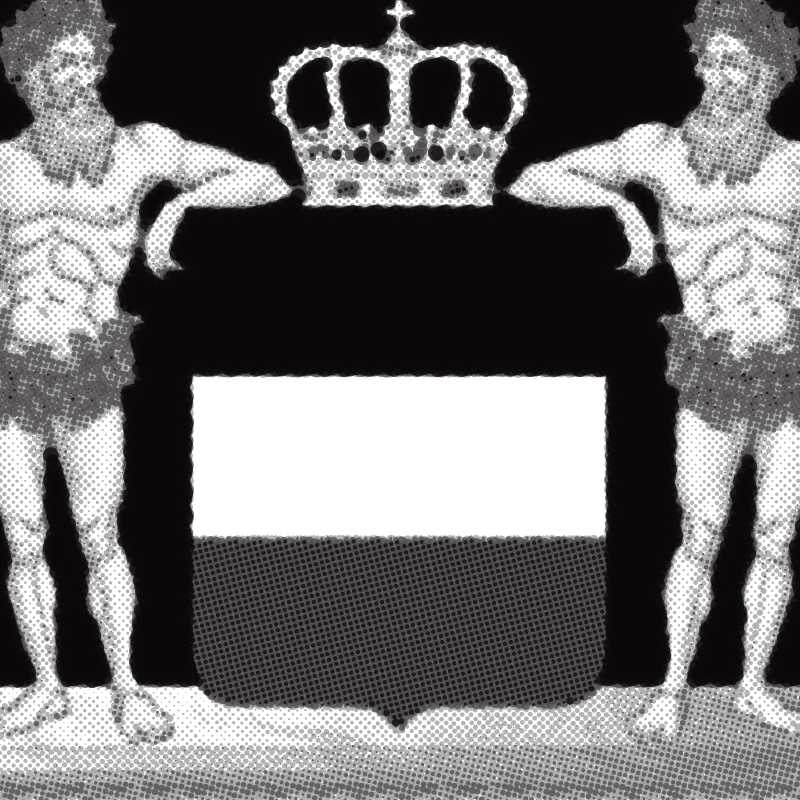
Richter cartoon caption
The Reichstag of the North German Confederation was the federal state's lower house of parliament. The popularly elected Reichstag was responsible for federal legislation together with the Bundesrat, the upper house whose members were appointed by the governments of the individual states to represent their interests. Executive power lay with the Bundesrat and the king of Prussia acting as Bundespräsidium, or head of state. The Reichstag debated and approved or rejected taxes and expenditures and could propose laws in its own right. To become effective, all laws required the approval of both the Bundesrat and the Reichstag. Voting rights in Reichstag elections were advanced for the time, granting universal, equal, and secret suffrage to men above the age of 25.