Every generation thinks it has the answers, and every generation is humbled by nature.
Phillip Lubin
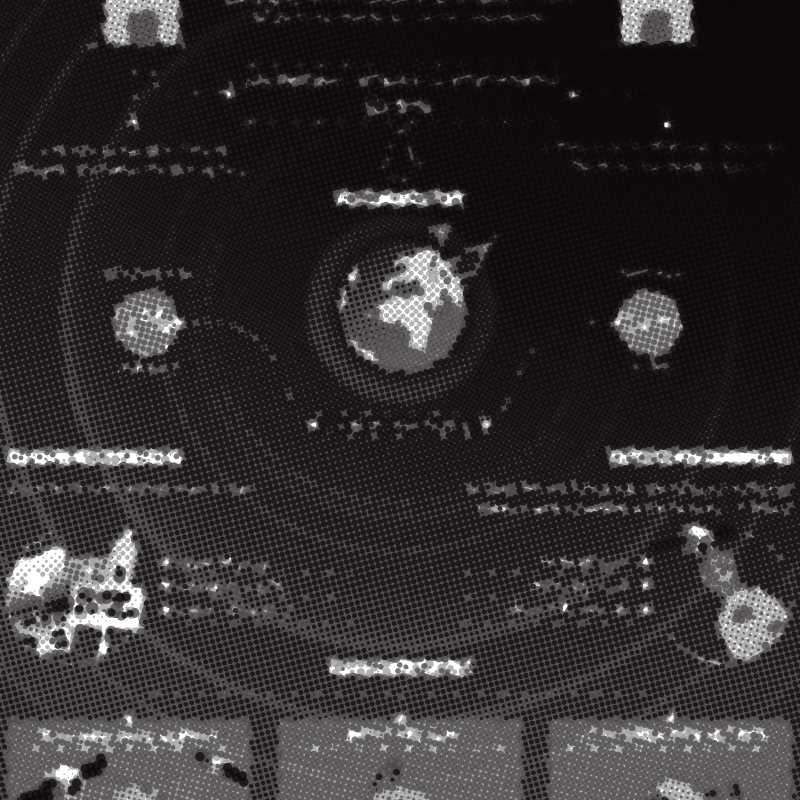
Asteroid impact avoidance encompasses the methods by which near-Earth objects (NEO) on a potential collision course with Earth could be diverted, preventing destructive impact events. An impact by a sufficiently large asteroid or other NEOs would cause, depending on its impact location, massive tsunamis or multiple firestorms, and an impact winter caused by the sunlight-blocking effect of large quantities of pulverized rock dust and other debris placed into the stratosphere. A collision 66 million years ago between the Earth and an object approximately 10 kilometers wide is thought to have produced the Chicxulub crater and triggered the Cretaceous–Paleogene extinction event that the scientific community understands to have caused the extinction of all non-avian dinosaurs.