Anacharsis Cloots
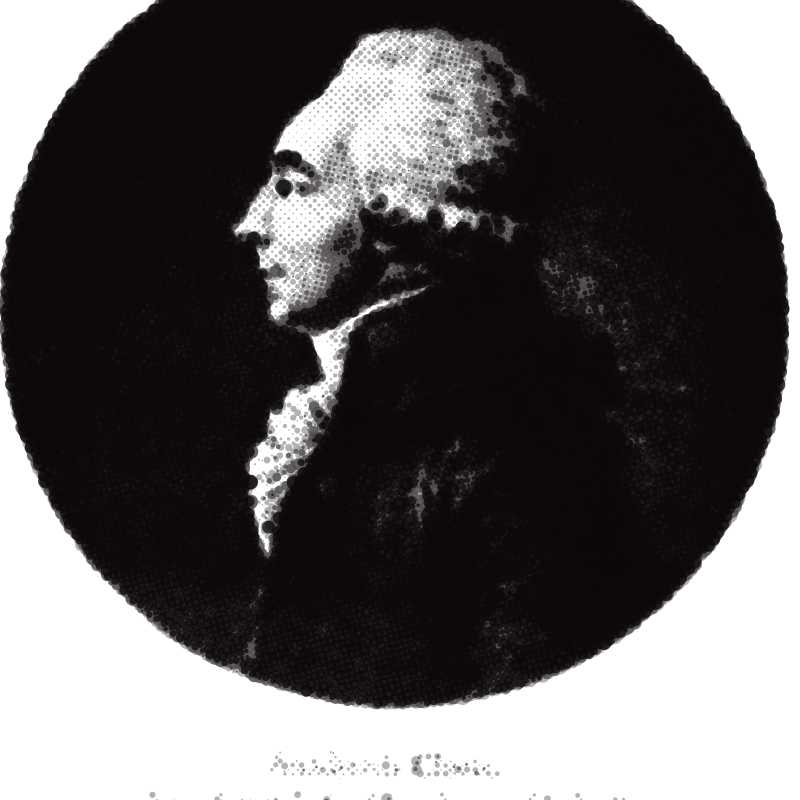
Jean-Baptiste du Val-de-Grâce, baron de Cloots, better known as Anacharsis Cloots, was a Prussian nobleman who was a significant figure in the French Revolution. Perhaps the first to advocate a world parliament, an idea later espoused by Albert Camus and Albert Einstein, he was a world federalist and an internationalist anarchist. According to Siegfried Weichlein, he was nicknamed "orator of mankind", "citizen of humanity" and "a personal enemy of God". However, only the title of "Orator of the Human Race" is one that Cloots actually did give himself with a specific rhetorical meaning in the classical republican tradition of the revolutionaries; it was a way to participate in the French Revolution despite not holding a French citizenship and to mock the official "representative" of his own country, seen as only representing the king and not the people for Cloots. American author Herman Melville refers to an "Anacharsis Clootz deputation" as a representation of global humanity in both Moby-Dick (1851), The Confidence-Man, and later in Billy Budd.